Naturopaths Guide:
PMOS (PCOS)
Recently renamed PMOS - Polycystic Metabolic Ovarian Syndrome - is complex and doesn’t impact everyone the same. This is the nature of a syndrome, a collection of abnormalities collected into one umbrella term.
To be diagnosed you must have 2 out of 3 of the criteria:
Irregular or missing periods
Elevated androgens (like testosterone)
Polycystic ovaries on ultrasound (follicles on the ovaries)
Katelyn will always treat you as a person, not as a walking diagnosis. PMOS is a complex intersection between sex hormones, blood sugar regulation, inflammation and nutritional deficiencies and can be a temporary diagnosis after coming off the oral contraceptive pill.
What is PCOS?
Irregular periods
Missing periods
Acne
Abnormal/dark hair growth (face, nipples, snail trail)
Weight gain
Difficulty conceiving or infertility
Hair loss (male-pattern baldness)
How does a naturopath treat PMOS/PCOS? Well, as always, Katelyn is looking at YOUR underlying driver of PMOS.
Androgens (aka testosterone):
Testosterone elevation is the main hormone imbalance in PMOS, this is what commonly causes the excessive and unwanted dark hair growth on the face, nipples and snail trail. Testosterone is a normal hormone, it is the elevation that causes an issue not the hormone itself. Testosterone causes hair growth, acne and inhibits ovulation which contributes to the cycle irregularities.
Research shows us that 2 cups of spearmint tea per day can help to reduce testosterone when elevated but it has to be 2 cups and it has to be every single day.
Blood Sugar Regulation:
The name change from PCOS to PMOS aims to include the very real metabolic changes and risks that accompany changes in sex hormones. Poor blood sugar regulation or insulin resistance can be the underlying driver of increases in testosterone and comes with symptoms of its own such as weight gain or difficulty shifting weight despite diet/lifestyle changes, sugar/carb cravings and fatigue and low energy often after meals. Blood testing is essential to rule this out, ask your GP to order:
Fasting glucose
HbA1c
Fasting insulin
Other metabolic issues can also feed into a cruel cycle, so looking at the following while your at it is a good start:
Lipids (including cholesterol and triglycerides)
Liver function
Post-pill syndrome:
PMOS can be a temporary diagnosis and I have seen this many many times in my practice. There is a temporary rise in androgens in the months following coming off the oral contraceptive pill as your natural hormones work out how to work properly again. Symptoms of post pill syndrome can be missing periods, irregular periods, acne, unwanted hair growth, PMS and energy/mood changes, similar to that of PMOS. What is the difference between PMOS and post pill syndrome? One is temporary. To distinguish my first question would be; did you have the same symptoms before you went on the pill?
Other hormones
What other hormones could be causing PMOS? I am glad you asked! We also need to look at oestrogen, FSH, LH, prolactin and DHEA, as well as assessing thyroid function to get a genuine picture of the domino effect. Something I always say to my patients is “all the hormones are dancing together”. What I mean by this is every hormone is having an effect on our other hormones.
Naturopathic Approach to PMOS/PCOS
PMOS naturopath
PCOS naturopath
PCOS fertility
hormone naturopath
womens health naturopath
telehealth naturopath
diamond creek naturopath
greensborough naturopath
eltham naturopath
acne naturopath

I am a practical person and believe in practical, sustainable changes. Diet changes are often a big part of my treatment plans but we will start with the smallest of small changes which you feel confident you can do and then slowly build on these changes one step at a time. It has to feel practical and it has to feel sustainable.
Will I have to stop eating carbs?
No! I am not one for drastic and unmanageable diets and don’t believe everyone should be eating the same thing. Reducing carbs might be a part of our treatment plan but it also might not. I will do a comprehensive assessment of your diet and symptoms and tailor a individualised diet plan that is attainable. I live in the real world and I like my carbs and sweets too, no high horses to be seen in my clinic!
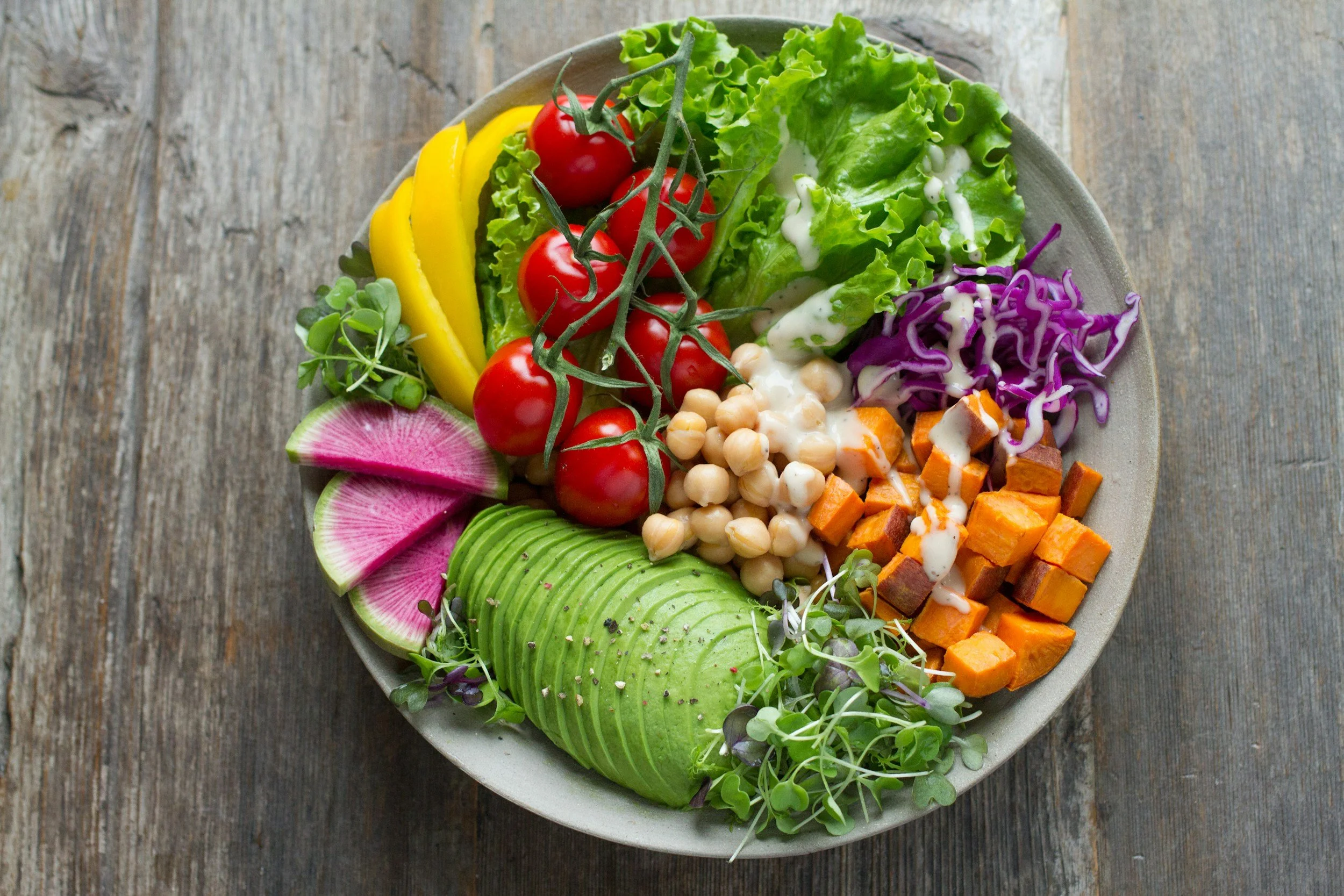
Diet Changes:
Your Questions, Answered
-
No! I don’t work based on a diagnosis, I base my treatment on your body, your symptoms and your blood test results. If that comes with a diagnosis then this is good information but if you’re in the process, I am here to support you every step of the way.
-
Yes! I believe information is power. After our initial appointment I will go away and write you a comprehensive and individualised treatment plan which I will explain to you in your next appointment. I will also email you a summarised version of what we go through in our appointment
-
In short, yes. Supplements help us to make changes quicker and teach your body what it needs. We will slowly make diet and lifestyle changes alongside your supplements so you need them less and less.
-
You don’t need any to start! I love testing but the initial appointment is getting to know you, and your symptoms. From there I can indicate what testing we should ask your GP to run and any additional functional testing which will contribute to our understanding.
-
Book an appointment! I can’t wait to meet you xx
-
I am compassionate, warm and have a very practical approach where I will meet you where you’re at. This is a collaborative relationship, you should feel safe and cared for.